
Financing Options for Startups: Navigating Early-Stage Capital
Explore financing options for startups and discover how to secure early-stage capital through equity, debt, and alternative funding sources.
Securing capital is one of the biggest hurdles early-stage founders face. The good news is that financing options for startups have expanded significantly over the past decade, giving you multiple pathways to fund your business.
At My CPA Advisory and Accounting Partners, we’ve helped countless founders evaluate which funding source aligns with their stage, goals, and tolerance for giving up control. This guide walks you through the most viable options and how to position yourself to attract investors.
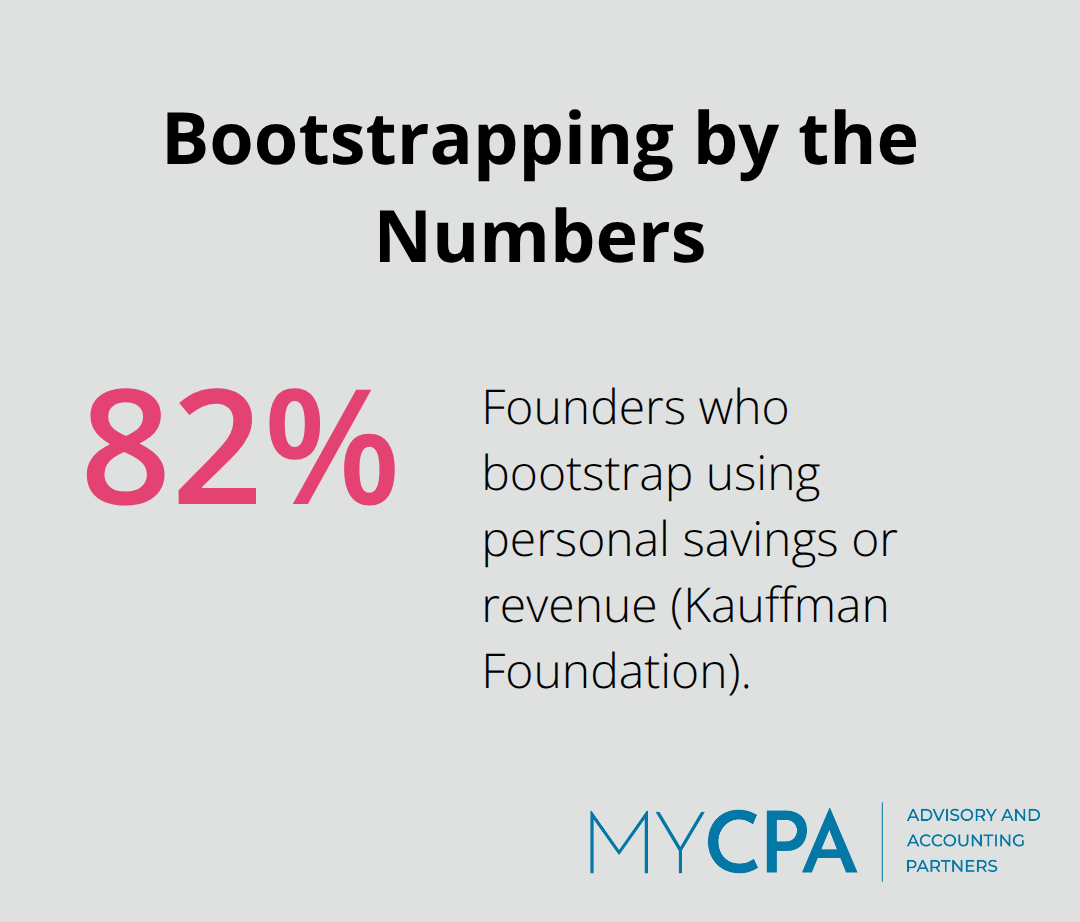
Bootstrapping remains the most common entry point for startups, with 82% of founders using personal savings or revenue from operations to fund their initial growth according to the Kauffman Foundation. This approach keeps you in complete control-no dilution, no investor pressure, no board meetings.
The tradeoff is speed. Bootstrapped companies grow slower because cash flow limits your spending.
If your market moves fast or competitors are well-funded, bootstrapping can put you at a disadvantage. Many founders use bootstrapping strategically for the first 12 to 18 months to prove their concept works before approaching outside investors. This gives you leverage when pitching because you’ve already de-risked the business.
Angel investors fill the gap between personal savings and venture capital. According to the Angel Capital Association, angels invested $26 billion across 64,000 deals in 2023. These are typically high-net-worth individuals who invest $25,000 to $100,000 per deal and often bring industry experience or connections beyond just capital.
Angel networks-organized groups of angels who review deals together-operate in most major cities and online platforms now. Angels make decisions faster, require less paperwork, and often mentor founders directly. The disadvantage is that angel investments typically come with equity dilution of 10% to 20% per round.
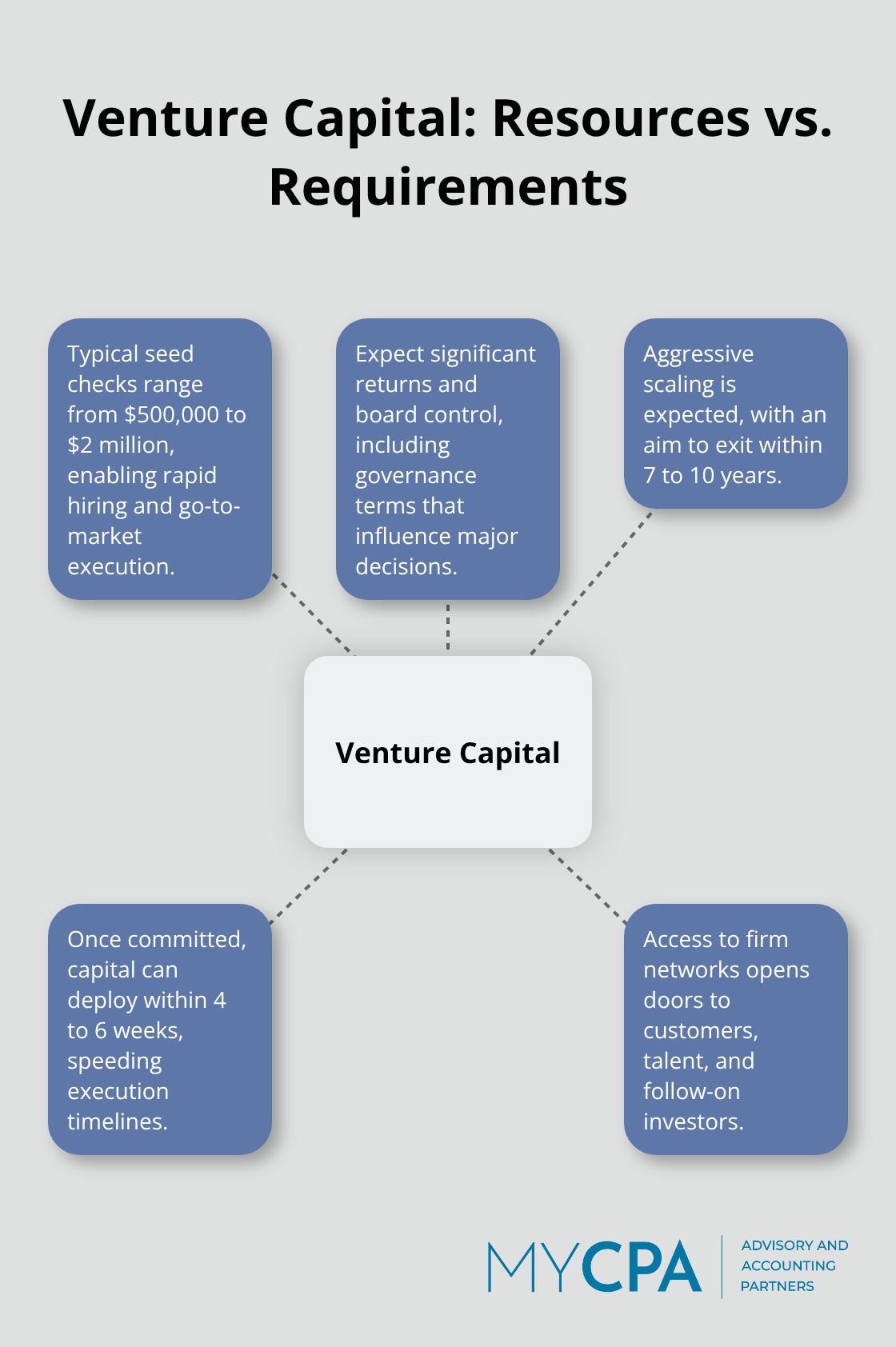
Venture capital firms invest larger amounts, usually $500,000 to $2 million in seed rounds, but they expect significant returns and board control. VC funding accelerates growth dramatically but comes with pressure to scale aggressively and exit within 7 to 10 years. Founders should be honest about whether they want to build a lifestyle business or a high-growth venture-this determines which path makes sense.
Understanding these three paths sets the stage for evaluating which funding source aligns with your specific situation. The next section examines how these options differ across control, timeline, and the support they provide.
Bootstrapping gives you total control but locks you into slow growth. You keep 100% equity and answer to no one, which sounds ideal until your competitor funded by angels or VCs captures market share while you’re still figuring out cash flow. Bootstrapped founders typically spend 18 to 24 months reaching meaningful traction, while angel-backed companies often hit the same milestone in 8 to 12 months. The real cost of bootstrapping isn’t just time-it’s opportunity cost. If your market window is closing or customer acquisition is expensive, bootstrapping can mean missing your window entirely.
Angel investors dilute your equity by 10% to 20% per round, but they move fast. Most angel decisions happen within 4 to 8 weeks, compared to 3 to 6 months for venture capital. Angels also bring operational experience and warm introductions to customers or partners, which compounds the value beyond capital. The tradeoff is losing some autonomy. Angels typically take a board seat or observer rights, meaning they weigh in on major decisions.
Venture capital firms demand the most equity-often 15% to 25% in seed rounds-and control through board seats and liquidation preferences. However, VCs deploy capital within 4 to 6 weeks once committed, and they provide structured support. VC-backed companies access their firm’s network, which includes potential customers, talent, and follow-on investors. A 2023 PitchBook report found that VC-backed startups raised follow-on funding at 2.5 times the rate of bootstrapped companies, simply because investor networks open doors.
The decision between these paths depends on your market timing and founder psychology. If you build in a slow-moving industry with predictable customer acquisition costs, bootstrapping works. If you operate in a winner-take-most market like SaaS or fintech, angel or VC funding is nearly mandatory. Founders should stress-test this decision by modeling three scenarios: how long until profitability with each funding type, what equity stake you can accept losing, and whether you genuinely want investor input on strategy. Many founders romanticize control but discover they actually want experienced guidance once things get complex. The worst outcome is raising capital from the wrong source and resenting the relationship months in.
Now that you understand how these funding sources differ, the next step is positioning yourself to actually attract capital. This requires a compelling narrative, solid financial projections, and relationships with the right investors-all of which we’ll cover in the practical steps section.
Your pitch deck matters far less than most founders think. What matters is that investors believe you can execute and that the market opportunity justifies the risk. The mistake we see repeatedly is founders spending weeks perfecting slide design when they should focus on the fundamentals. Start with a one-page executive summary that answers three questions: What problem do you solve? Who has this problem and how big is the market? Why are you the team to solve it? This single page should take someone 90 seconds to read and provide clarity on whether they want a deeper conversation. Your pitch deck comes later, after you’ve validated that investors care about your core thesis.
When you build the deck, focus on the problem and traction first. Investors spend significantly longer analyzing traction metrics than they do reviewing your team credentials, so lead with customer acquisition cost, retention rates, and revenue growth. If you don’t have revenue yet, show user growth, engagement metrics, or waitlist conversion rates. Numbers beat narrative every time.
Relationships with investors happen months before you ask for money, not weeks. Attend industry conferences and investor events in your space, but don’t pitch at these events. Instead, ask for introductions to three investors per month through your existing network and spend 20 minutes learning what they invest in and what they’ve seen work in your market. This sounds slow until you realize that most startup funding comes through warm introductions, meaning cold outreach is nearly futile.
The quality of your introduction matters more than the quantity. A warm introduction from someone an investor trusts carries weight that a cold email never will. Focus on building genuine relationships rather than transactional asks.
Financial projections are where most founders stumble hardest. You need three-year monthly projections for the first year and quarterly projections thereafter, but projections must be realistic enough to survive scrutiny. Model three scenarios: conservative, base case, and aggressive. Include your assumptions clearly so investors can see your thinking, not just your numbers. Use historical data from your industry if you have it.
For SaaS companies, benchmark your customer acquisition cost against your industry average and justify any deviation. Investors will ask how you derived these numbers, and saying you guessed is an immediate credibility killer. Your projections should reflect what you actually know about your market, not what you hope will happen.
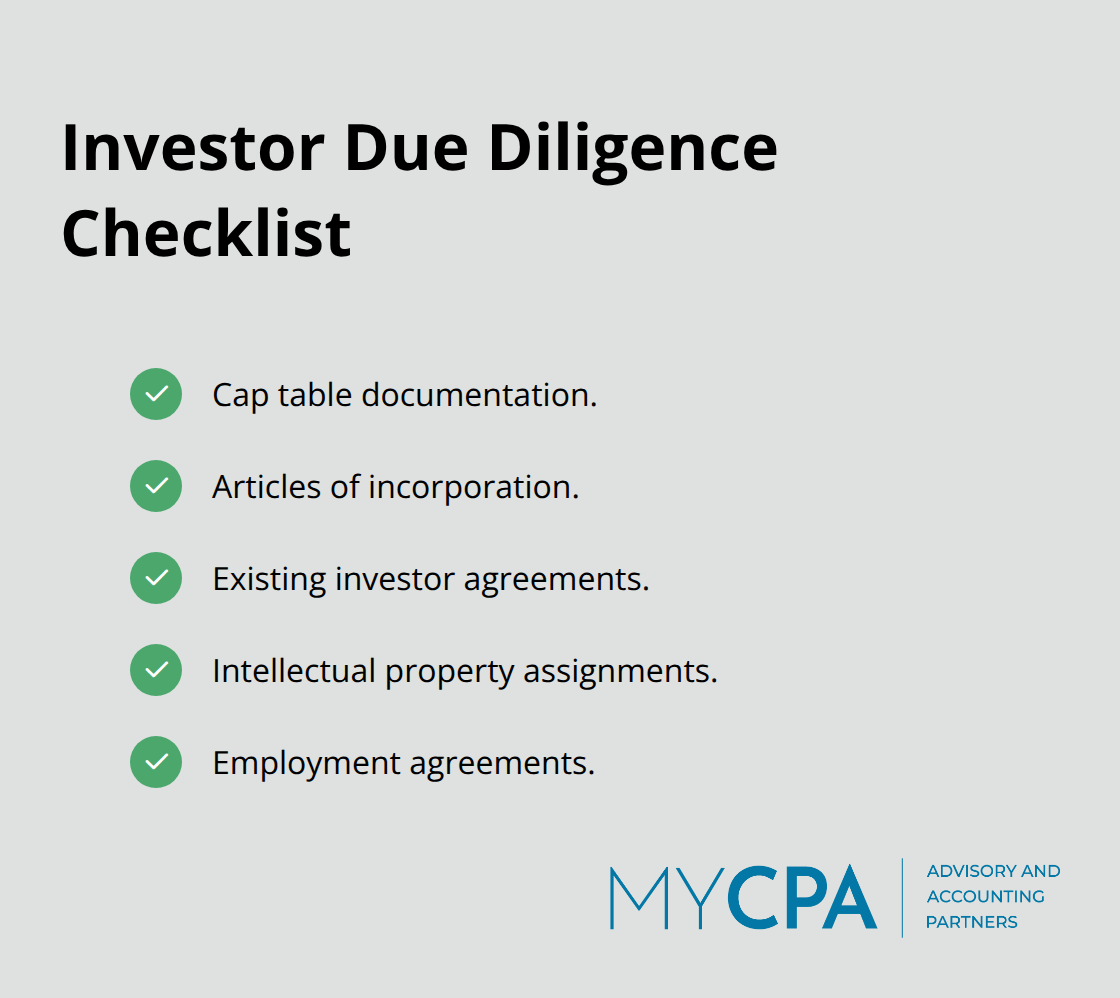
Prepare your due diligence materials before investors request them. This means cap table documentation, articles of incorporation, any existing investor agreements, intellectual property assignments, and employment agreements.
Having these organized in a shared folder shows investors you take the process seriously and eliminates delays when they move toward a term sheet. Disorganized materials signal that you lack operational discipline, which raises red flags about your ability to execute.
Investors expect to see clean documentation. Missing or unclear paperwork can kill a deal even when the business fundamentals are strong. Treat this preparation as seriously as you treat your pitch.
You now understand the three primary financing options for startups and how they differ in speed, control, and support. Bootstrapping keeps you independent but slows growth, while angel investors accelerate your timeline and bring mentorship. Venture capital provides maximum resources but demands aggressive scaling and board involvement.
The right choice depends on your market dynamics and founder temperament. Fast-moving markets like SaaS or fintech almost require outside capital because bootstrapping puts you at a competitive disadvantage, whereas slower industries with predictable unit economics can sustain bootstrapped growth. Before approaching any investor, get your financial house in order with accurate bookkeeping, clean cap table documentation, and realistic projections that reflect your actual market knowledge.
We at My CPA Advisory and Accounting Partners help founders build the financial foundation that makes investors confident in your execution. Our accounting services and business advisory work ensure your numbers tell a credible story and your operations run efficiently from day one. Contact us to discuss how we can support your fundraising preparation.








Privacy Policy | Terms & Conditions | Powered by Cajabra