
Financial Reporting Accuracy: How Precise Data Powers Confident Decisions
Improve financial reporting accuracy with precise data practices for confident decisions and stronger compliance.
Most business owners operate without a clear financial roadmap. They react to problems instead of preventing them, leaving money on the table and missing growth opportunities.
Strategic financial advisory changes this. At My CPA Advisory and Accounting Partners, we help business owners see exactly where their money goes, spot hidden profit opportunities, and build a plan that actually works.
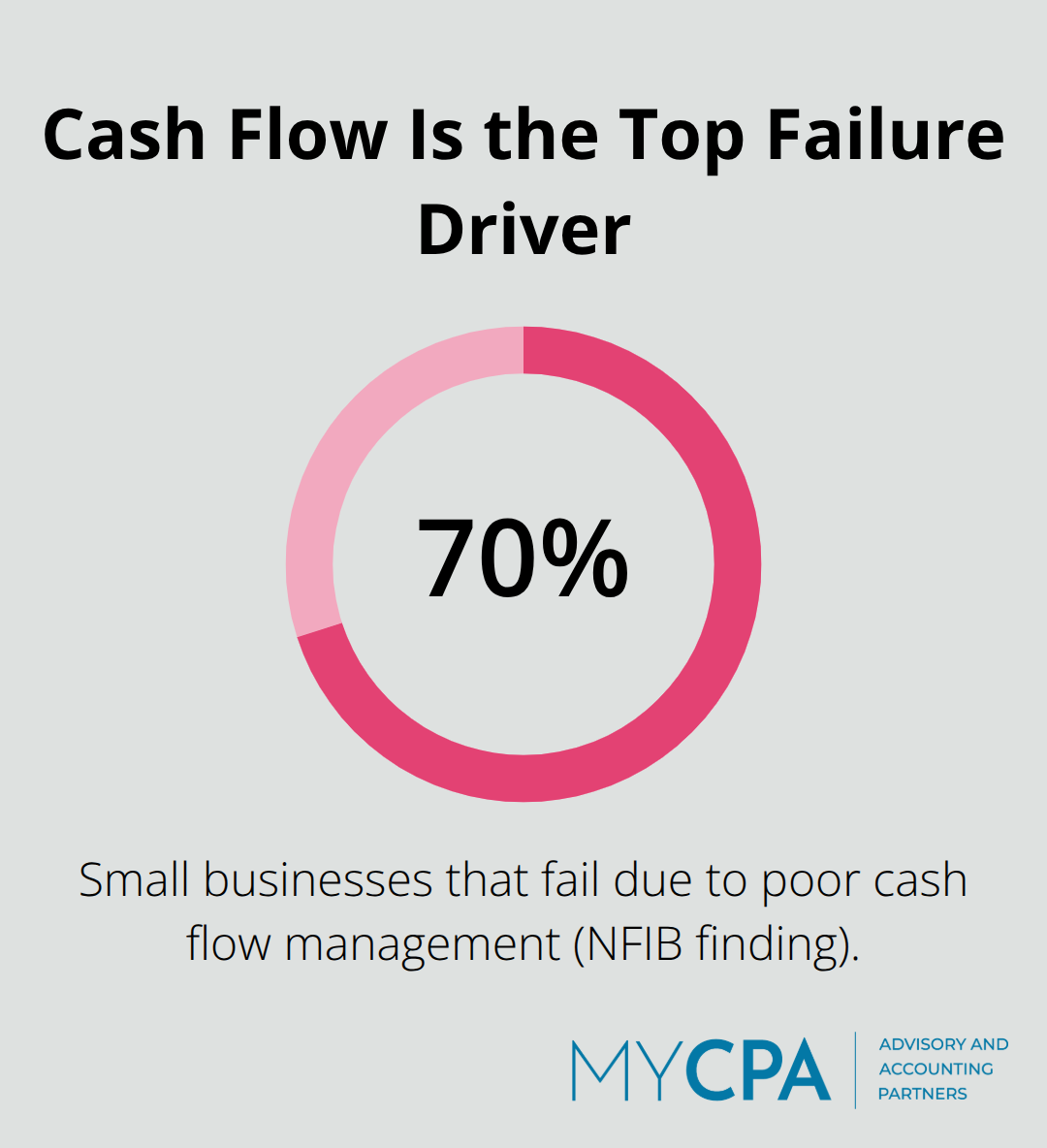
Financial mistakes compound quickly. A study by the National Federation of Independent Business found that nearly 70% of small businesses fail due to poor cash flow management, not lack of demand. These aren’t always dramatic errors-most stem from incomplete visibility into cash flow, misaligned pricing strategies, or missing tax optimization opportunities that accumulate over months.
When you lack a clear financial picture, you make decisions based on incomplete information. You might overspend on inventory, delay necessary equipment upgrades, or miss seasonal cash flow patterns that could derail payroll. Business owners often leave potential profit on the table simply because they don’t understand their numbers deeply enough. Strategic financial advisory stops this pattern by creating transparency around where money actually flows and what drives profitability.
Most business owners track revenue but misunderstand profit margins. Revenue growth masks deteriorating profitability when costs outpace income. Without accurate financial reporting and regular analysis, you won’t catch this until it’s too late. Accurate accounting reveals whether you’re actually making money or just moving money around. This visibility lets you adjust pricing, cut unprofitable product lines, or renegotiate supplier contracts before cash reserves deplete. Data-driven decisions require reliable financial data first. When your bookkeeping is sporadic or incomplete, every decision becomes a guess. Proper accounting systems and regular financial reporting create the foundation for real strategic planning. This isn’t about perfection-it’s about having numbers you actually trust when making decisions about hiring, expansion, or major investments.
Business growth requires more than hoping revenue increases. You need to forecast demand, model different scenarios, and allocate capital strategically. A financial roadmap connects your business goals to specific financial targets and timelines. It shows what cash you’ll need for growth, when you’ll need it, and where it should come from. This prevents the common trap where growing revenue actually creates cash shortages because you haven’t planned for the working capital increases that growth demands. Financial planning helps you model scenarios and create actionable plans. When market conditions shift or unexpected opportunities appear, a solid financial foundation lets you evaluate them quickly instead of reacting emotionally. Whether you’re considering hiring a key team member, upgrading to new software systems, or pursuing a major contract, financial planning shows the actual impact before you commit resources. This foundation positions you to move forward with confidence into the next critical area: identifying which financial advisory partner can deliver the guidance your business actually needs.
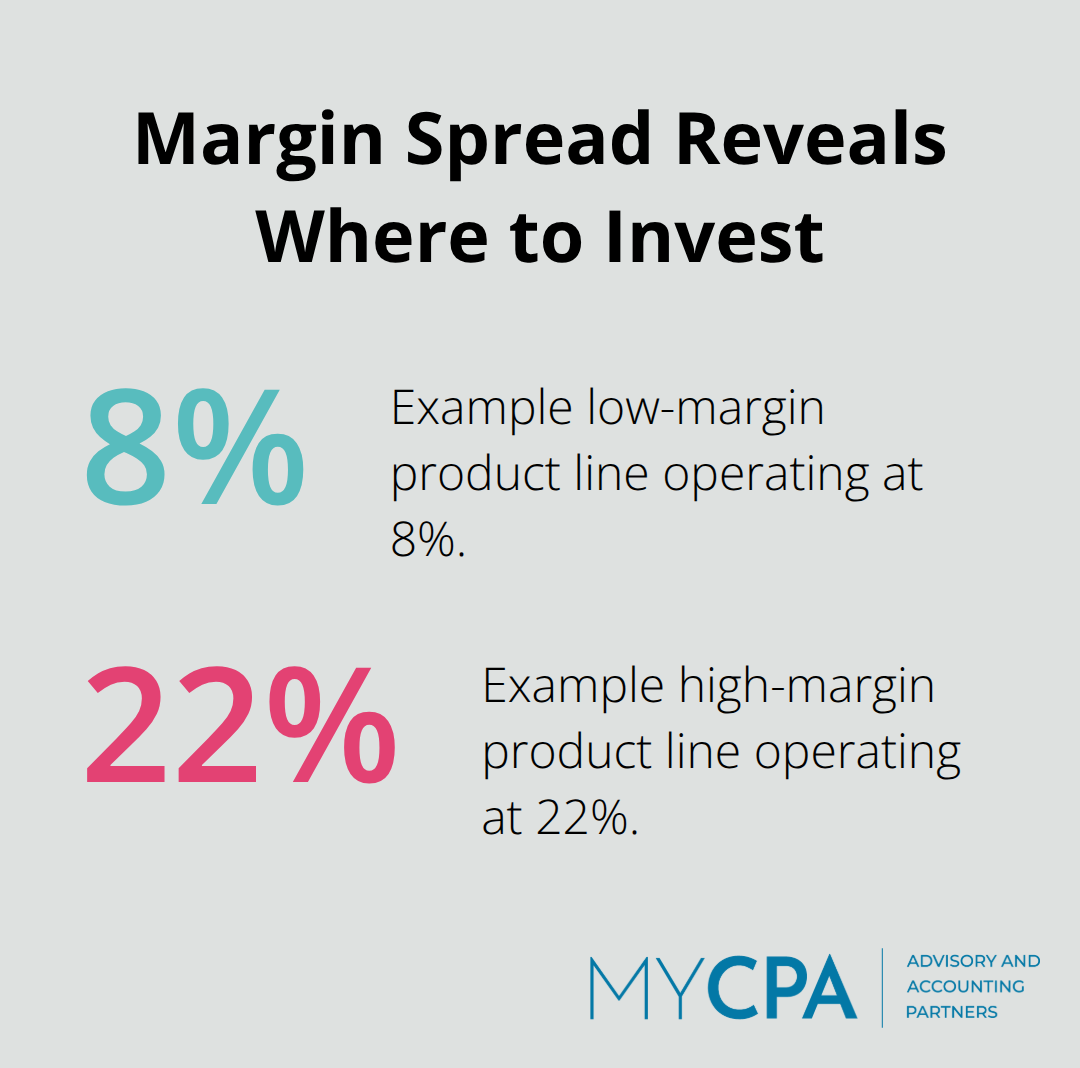
Strategic financial advisory transforms how you deploy capital and allocate resources across your business. The difference between stagnant and accelerating growth often comes down to whether you make spending decisions based on intuition or on concrete financial data. When business owners work with financial advisors, most discover they’re sitting on profit opportunities they’ve never quantified. A manufacturer might find that one product line operates at 8% margin while another hits 22%, yet they invest equally in both.
A service business might realize that certain client segments require three times the overhead to service but generate the same revenue. These insights don’t emerge from general accounting-they require structured financial analysis that separates profitable activity from revenue that actually drains resources. Once you see these patterns, the decisions become obvious. You shift investment toward high-margin work, renegotiate pricing on low-margin contracts, or eliminate services that destroy profitability. The companies that grow fastest aren’t necessarily the ones with the most revenue; they’re the ones that ruthlessly optimize where their money actually works.
Most business owners confuse gross revenue with actual profit opportunity. A contractor billing $2 million annually might operate at 6% net margin while a peer with $1.2 million in revenue hits 18% margin. The difference lies in cost structure visibility. When you lack detailed expense tracking by project, client, or product line, you can’t see which activities actually generate profit. Many businesses discover they’ve been pricing services below true cost because they never calculated the full labor, overhead, and material burden. Others find that their most demanding clients consume disproportionate resources relative to the revenue they generate. Structured financial reporting reveals these realities. This means moving beyond standard P&L statements to analyze contribution margin by customer segment, project profitability analysis, and overhead allocation that reflects actual resource consumption. Once you see where profit concentrates, capital allocation becomes strategic rather than reactive. You can confidently invest in scaling profitable operations while addressing or exiting unprofitable ones.
Growth without strategy wastes capital. Many businesses expand headcount, invest in equipment, or enter new markets without first modeling whether those moves actually support profitability targets. A financial roadmap connects your expansion goals directly to the financial capacity to fund them. If you want to grow revenue 40% over three years, that roadmap shows what cash you’ll need for working capital increases, equipment, hiring, and contingencies. It reveals whether you can fund growth internally or need external capital, and if external capital is required, it shows lenders exactly how growth will generate the cash to service debt. This planning prevents the common scenario where rapid growth creates cash shortages because you haven’t accounted for the timing mismatch between spending on growth and receiving cash from increased sales. The roadmap also stress-tests your assumptions. What happens if customer acquisition takes longer than planned? What if a major client delays payment? What if material costs increase 15%? These scenarios aren’t pessimistic-they’re realistic stress tests that prepare you to adjust quickly rather than panic when conditions shift.
When market opportunities appear unexpectedly, a solid financial roadmap lets you evaluate them in minutes rather than weeks, because you already understand your financial capacity and constraints. You can model the impact of a new contract, a potential acquisition, or an unexpected market shift without scrambling to gather data. This speed matters. Your competitors are likely still gathering information while you’ve already made a decision grounded in financial reality. The ability to evaluate opportunities quickly separates businesses that capitalize on growth from those that watch opportunities pass. Financial clarity also changes how you communicate with lenders, investors, and key team members. Instead of presenting vague growth aspirations, you present concrete plans backed by financial analysis. Lenders see a borrower who understands their business. Investors see management that thinks strategically about capital deployment. Team members see leadership that makes decisions based on data rather than gut feel. This credibility compounds-it makes future financing easier, attracts better talent, and builds organizational confidence in the direction you’re heading. The next step is identifying which financial advisory partner can deliver the analysis and guidance your business actually needs.
Finding the right financial advisor means looking beyond credentials and fees. Most business owners make this decision based on who they know or who offers the lowest price, then wonder why the relationship fails to deliver real insight. The advisor’s ability to understand your specific industry, engage proactively rather than reactively, and demonstrate concrete results with similar clients separates advisors who actually drive growth from those who simply process transactions.
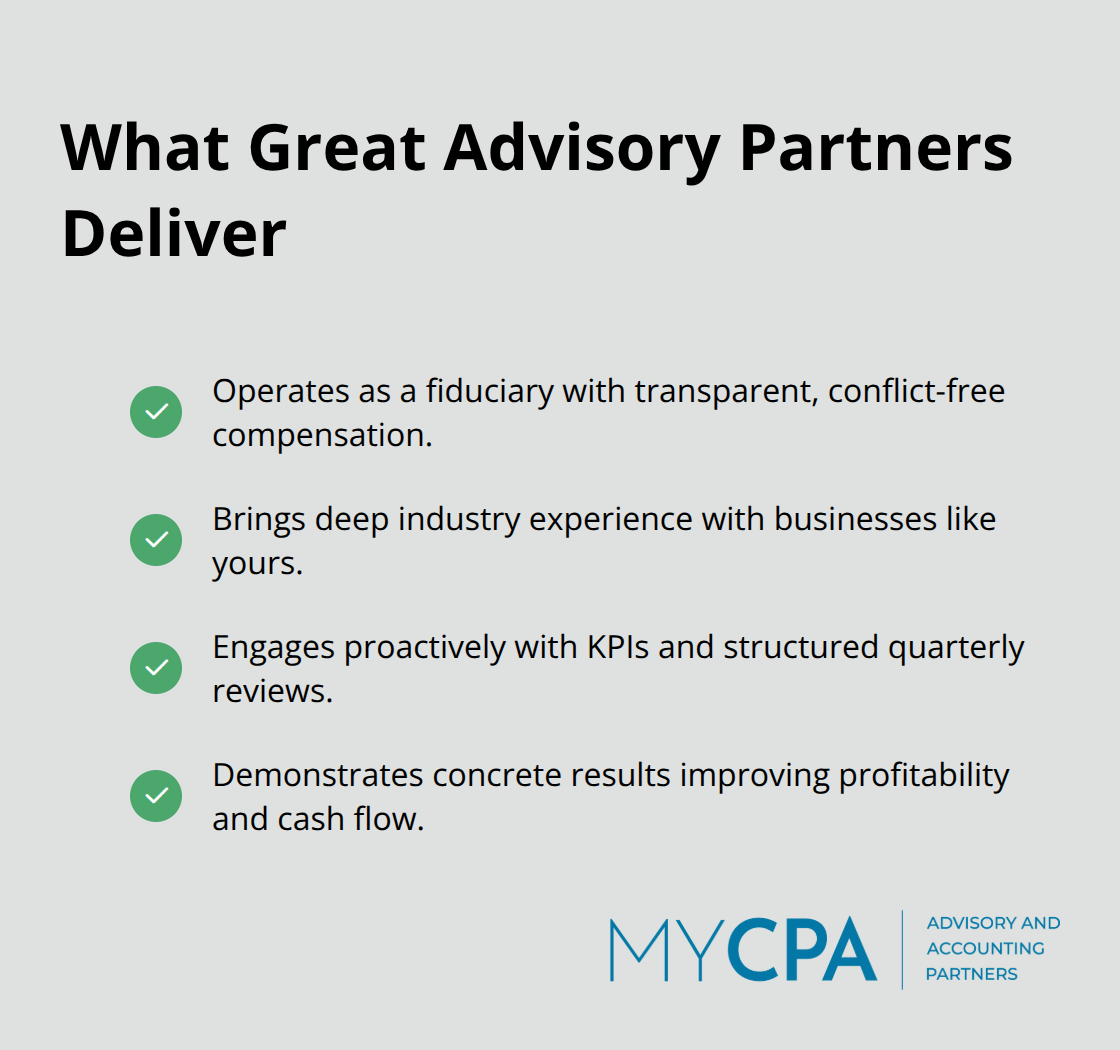
Spectrem Group’s research on investor preferences found that trustworthiness ranks as the single most important factor when selecting a wealth advisor, yet many firms undermine trust by accepting compensation from third-party product providers, creating conflicts of interest. Ask directly whether your potential advisor receives compensation beyond their fees from you. This matters because advisors compensated by fund managers or insurance companies face pressure to recommend those products regardless of whether they’re optimal for your situation.
A fiduciary advisor, legally bound to put your interests first, operates under a different standard. The Securities and Exchange Commission distinguishes between broker-dealers who operate under a suitability standard and registered investment advisors who must adhere to fiduciary duty. This legal distinction matters significantly when you make decisions about capital deployment and growth strategy.
Industry experience separates advisors who understand your constraints from those who offer generic advice. A financial advisor working with manufacturing businesses understands seasonal cash flow patterns, equipment capital cycles, and supplier payment terms unique to that sector. An advisor working primarily with retail clients won’t grasp how your manufacturing margins work or what questions to ask about your production efficiency.
When you evaluate an advisor, ask specific questions about their experience with businesses similar to yours. How many manufacturing clients do they serve? What metrics do they track for that industry? Can they reference industry benchmarks for your sector? An advisor without industry context will spend months learning your business before providing real value, if they ever do.
Look for advisors who engage proactively rather than waiting for you to request information. This means scheduled quarterly business reviews where they analyze your financial performance, compare results to prior periods, identify trends, and discuss strategic implications. Reactive advisors respond only when you call with a question. Proactive advisors contact you with insights before you realize you need them.
Ask potential advisors about their communication cadence and how they prepare for meetings. Do they send analysis ahead of time? Do they track key performance indicators specific to your business? Can you access financial reports and dashboards on demand, or do you need to request everything? The firms with strongest engagement practices deliver differentiated client experiences through structured touchpoints rather than sporadic contact.
Results matter more than promises. Ask for references from clients in your industry and specifically ask whether the advisor identified profit opportunities, improved cash flow visibility, or helped them make better capital allocation decisions. Generic questions about satisfaction won’t reveal much. Ask whether the advisor’s recommendations actually improved profitability or helped them avoid costly mistakes. Did they identify unprofitable customer segments? Did they help optimize pricing? Did they improve cash flow forecasting accuracy? These concrete outcomes distinguish advisors who deliver strategic value from those who provide basic compliance services.
Strategic financial advisory isn’t a luxury reserved for large corporations. Business owners operating with incomplete financial visibility face constant pressure to make decisions without reliable data, which compounds into costly mistakes over time. The companies that accelerate growth aren’t necessarily those with the highest revenue-they’re the ones that understand exactly where their money works and where it doesn’t.
Finding the right financial advisory partner requires looking beyond credentials and fees. You need someone with genuine industry experience who understands your specific constraints, engages proactively rather than waiting for your questions, and demonstrates concrete results with similar clients. This person should operate with complete transparency about how they’re compensated and maintain fiduciary responsibility to put your interests first.
We at My CPA Advisory and Accounting Partners understand that business owners need more than basic accounting. You need tailored financial services that combine accurate reporting with proactive business advisory, integrating tax optimization, accounting accuracy, and strategic guidance so you see exactly where your business stands and where it’s heading. Schedule a conversation with our team to discuss your specific situation, the financial challenges you face, and how strategic financial advisory can position your business for sustainable growth.








Privacy Policy | Terms & Conditions | Powered by Cajabra